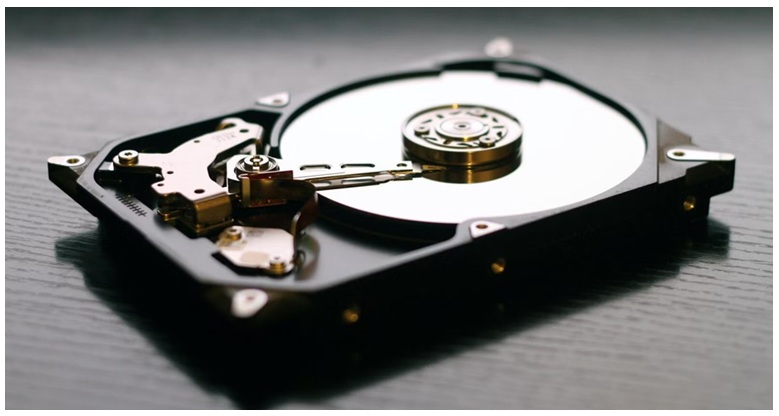
Running out of space is a common hassle for Windows users. An entire tough electricity or SSD can slow down your computer, prevent software updates, and make it difficult to store new documents. If you are wondering the way to free up disk space, the first-rate news is that you do not need to be a laptop expert to reclaim precious storage.
Why Is Disk Space Important?
Your computer wishes ufreestorage to perform effectively. When the device stress will become almost full, Windows can also additionally moreover conflict to install updates, create quick documents, or run applications easily.
Keeping sufficient free space can help:
- Improve device basic performance
- Speed up Windows updates
- Reduce application crashes
- Store new documents without mistakes
- Improve normal balance
Experts advocate retaining as a minimum 15–20% of your storage space for optimal performance.
1. Use Storage Sense
Storage Sense is a built-in Windows function that routinely eliminates needless documents.
To enable it:
- Open Settings.
- Select System.
- Click Storage.
- Turn on Storage Sense.
It can routinely put off temporary files, empty the Recycle Bin, and delete old downloads based on your settings.
2. Delete Temporary Files
Temporary files build up over the years and consume precious storage.
To remove them:
- Open Settings
- Go to System > Storage
- Select Temporary Files
- Choose the files you want to delete
- Click Remove Files
This is one of the quickest methods to free up disk space
3. Empty the Recycle Bin
Deleted documents continue to be within the Recycle Bin till you completely eliminate them.
Simply:
- Right-click on the Recycle Bin
- Select Empty Recycle Bin
This instantly recovers space used by deleted documents.
4. Uninstall Unused Programs
Many pc structures have applications which may be never used.
To eliminate them:
- Open Settings
- Click Apps
- Select Installed Apps
- Uninstall software you no longer need
Removing large packages can free several gigabytes of storage.
5. Delete Large Downloads
The Downloads folder often contains:
- Old installers
- PDF documents
- Videos
- ZIP records
- Duplicate documents
Review this folder frequently and delete documents you no longer need.
6. Move Files to External Storage
Photos, movies, and backups can eat a good-sized amount of space.
Consider moving them to:
- External tough drives
- USB flash drives
- Network storage devices
This continues your number one electricity smooth at the same time as retaining vital documents.
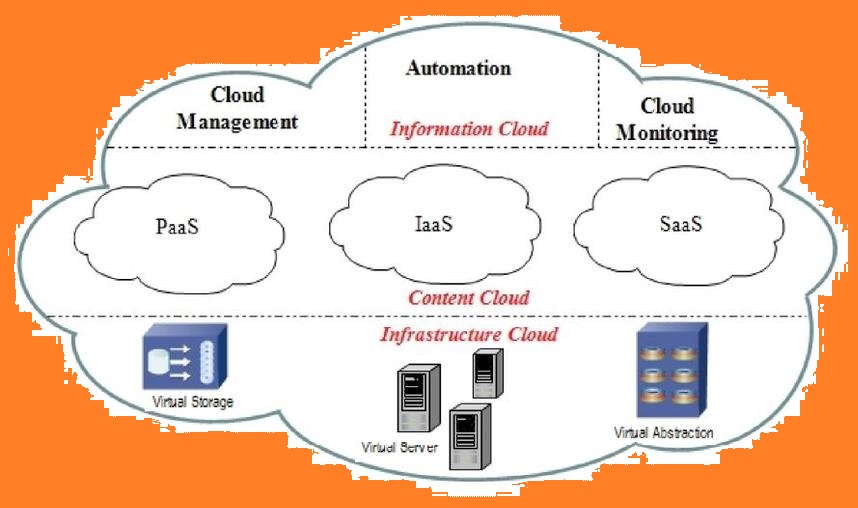
7. Use Cloud Storage
Cloud services permit you to store files onlineiinsteadof foonour nearby force.
Popular alternatives encompass:
- OneDrive
- Google Drive
- Dropbox
Many services furthermore assist you to preserve files on-line at the same time as downloading them locally at the same time as desired.
8. Remove Duplicate Files
Duplicate snapshots, movies, and documents waste valuable storage
Check for:
- Multiple copies of the identical picture
- Duplicate downloads
- Repeated files
- Backup folders
Deleting duplicates can get a surprising amount of space.
9. Clean Windows Update Files
Old Windows Update files may also stay after updates are installed.
To remove them:
- Search for Disk Cleanup
- Select your Windows drive
- Click Clean up system files
- Select Windows Update Cleanup
- Confirm deletion
This can free several gigabytes on some systems.
10. Delete Old Restore Points
System Restore is useful, but older restore points can occupy a massive amount of space.
You can:
- Search for Create a Restore Point
- Open System Protection
- Manage disk utilization
- Delete older repair elements
Keep the cutting-edge repair component for protection.
11. Remove Unnecessary Language Packs
If you use one language, more language packs won’t be critical.
Go to:
- Settings
- Time & Language
- Language & Region
Remove languages you no longer use.
12. Compress Large Files
Windows enables file compression for files and data.
Compress:
- Old duties
- Large folders
- Archived documents
This reduces storage usage without deleting your documents.
13. Find Large Files
Windows makes it easy to locate massive files
Sort documents by length and assessment:
- Movies
- Game installers
- Backup pics
- ISO files
Deleting useless massive files frequently frees the most storage.
14. Remove Unused Games
Modern video games can occupy 50 GB to over one hundred and fifty GB every.
If you haven’t played a game in months, uninstalling it is able to unfastened exceptional disk space.
You can normally reinstall it later if needed.
15. Upgrade Your Storage
If you’ve got got wiped clean your storagebut despite the fact that run out of space often, upgrading your storage may be the tremendous lengthy-time period answer.
Consider:
- A huge SSD
- An greater internal pressure
- An external SSD for media files
An SSD not only gives more garage however moreover improves general tool tempo.
Common Files You Can Safely Delete
You can generally do away with:
- Temporary files
- Cache files
- Old downloads
- Duplicate pics
- Empty folders
- Recycle Bin contents
- Old installation documents
Always double-check before deleting non-public files or vital work files.
Tips to Prevent Storage Problems
Follow these tips to keep your pressure easy:
- Empty the Recycle Bin weekly.
- Delete unnecessary downloads frequently.
- Enable Storage Sense.
- Store big movies externally.
- Uninstall software you no longer use.
- Organize documents into folders.
- Review storage usage each month.
Regular safety prevents your pressure from filling up too fast.
Mistakes to Avoid
When freeing disk space, keep away from:
- Deleting critical machine files
- Removing documents without checking them first
- Deleting restoration partitions
- Using an unknown cleaning device
- Clearing folders you do not understand
If you are uncertain about a file, research it before deleting it.
Conclusion
Learning a way to unfasten up disk area is one of the handiest techniques to enhance your pc’s overall performance. By doing away with short documents, uninstalling unused applications, cleaning the Recycle Bin, deleting duplicate documents, and transferring big files to external or cloud storage, you may get higher precious location without spending money.
Frequently Asked Questions
How do I free up disk space on Windows?
You can free up space with the aid of deleting temporary files, emptying the Recycle Bin, uninstalling unused apps, cleansing Windows Update files, and getting rid of duplicate files.
Is it steady to delete brief documents?
Yes. Temporary files are typically safe to remove and are recreated by Windows when desired.
What is Storage Sense?
Storage Sense is a ibuilt-inWindows feature that automatically deletes useless files to assist hold your strain easy.
Why is my disk space full even after deleting documents?
Files may also be inside the Recycle Bin, hidden folders, or utilized by Windows Update, repair points, or big programs.
Should I improve to an SSD if my sstorage isfull?
If you frequently run out of storage, or if you still use an older tough power, upgrading to a larger SSD can offer more space and notably improve performance.
How a good buy free disk vicinity need to keep?
It’s recommended to keep at least 15–20% of your storage pressure unfastened to preserve clean system usual overall overall performance.