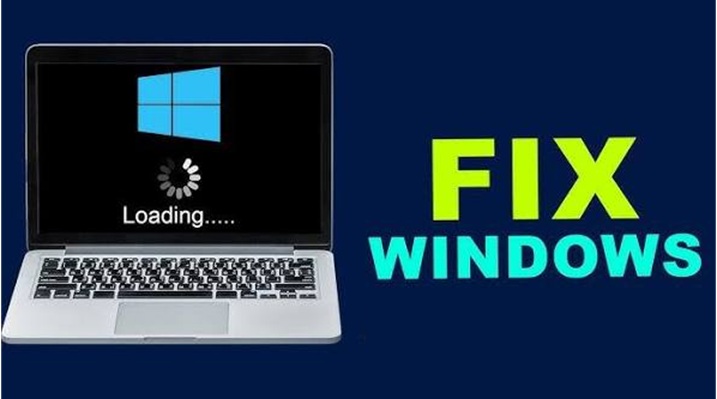
A sluggish Windows startup can be frustrating, especially when you want to start working or take a look at rapid. If your laptop takes several minutes to boot or becomes unresponsive after booting, you aren’t by myself. Over time, startup programs, old drivers, low disk space, and device issues can considerably increase boot time.
Why Does Windows Start Slowly?
Several elements can purpose gradual startup instances. Understanding the purpose makes it less hard to use the right repair.
Common causes consist of:
- Too many startup packages
- Old hard disk energy (HDD)
- timestimeshad garage
- Outdated Windows model
- Corrupted tool documents
- Malware or unwanted software application software
- Outdated tool drivers
- Background services loading during startup
1. Disable Unnecessary Startup Programs
One of the proper tech tips is to disable applications that release automatically.
Steps
- Press Ctrl + Shift + Esc to open Task Manager.
- Select the Startup Apps tab.
- Look for applications with a High Startup Impact.
- Right-click unnecessary apps and choose Disable.
Programs like track players, chat apps, and update managers often start mechanically even while you do no longer need them right now.
2. Turn On Fast Startup
Windows has a feature called Fast Startup, which reduces the time spent saving a part of the system state in advance of shutdown.
Enable Fast Startup
- Open Control Panel.
- Click Power Options.
- Select Choose what the ebyy buttons do.
- Click Change settings which might be currently unavailable.
- Check Turn on fast startup.
- Save the changes.
If Fast Startup is already enabled, strive turning it on and off all once more if you experience startup troubles.
3. Free Up Disk Space
A nearly full device can slow down Windows intrytryhe route of startup process.
What You Can Delete
- Temporary documents
- Recycle Bin contents
- Old downloads
- Windows full cache
- Unused programs
Use Storage Sense or Disk Cleanup to get rid of pointless files nicely.
Keeping at the least 20% unfastened area on the tool stress lets in Windows carry out more correctly.
4. Scan for Malware
Viruses and unwanted software program applicatioftware frequently run within the data, ingesting device sources and developing startup time.
Use Windows Security to perform a full test.
Steps
- Open Windows Security
- Select Virus & Threat Protection
- Click Scan Options
- Choose Full
- Start the test and dispose of detected threats
A easy device boots quicker and runs greater with out troubles.
5. Update Windows
Microsoft frequently releases updates that decorate common normal performance, Annepair insects, and decorate device balance.
Check for Updates
- Open Settings
- Select Windows Update
- Click Check for Updates
- Install available updates
- Restart the PC
Running the fasimprovemodel of stability can remedy startup delays because of software bugs.
6. Update Device Drivers
Outdated or corrupted drivers can put off the Windows boot method. Graphics, garage, chipset, and network drivers are crucial for smooth startup.
How to Update Drivers
- Press Windows, delaydelay pick out Device Manager
- Expand the storage of the device you want to replace.
- Right-click on the tool and pick Update using pressure.
- Choose Search automatically for drivers.
- Restart your laptop after the replace.
You also can down load the modern-day-day drivers at once from your laptop or motherboard producer’s respectable internet web page.
7. Run System File Checker (SFC)
Corrupted download tool modern growth startup time and motive severe normal perfmanufacturer’s official websitee System File Checker (SFC) tool to repair damaged files.
Steps
- Search for Command Prompt.
- Right-click on on it and pick out Run as administrator.
- Type the following command:
sfc /scannow
- Press Enter.
- Wait until the experiment reaches one hundred%.
- Restart your pc.
If Windows shows corrupted files, it will automatically restore them.
8. Repair Windows Image Uprocess
If SFC can not restore all issues, use the Deployment Image Servicing and Management(DISM) tool.
Open Command Prompt as Administrator and run:
DISM /Online /Cleanup-Image /RestoreHealth
The check can also additionally moreover take severa mins. Once completed, restart your PC and check whether or not startup performance has advanced.
9. Upgrade from HDD to SSD
If your several minutespc however uses a conventional Hard Disk Drive (HDD), upgrading to a Solid-State Drive (SSD) is one in all of the most critical everyday typical performance upgrades you may make.
HDD vs SSD Startup Time
| Storage Type | Average Windows Startup |
|---|---|
| HDD | 60–180 seconds |
| SATA SSD | 15–30 seconds |
| NVMe SSD | 8–15 seconds |
An SSD not simplest hacancanns startup but additionally improves software program loading, document transfers, and normal tool responsiveness.
10. Disable Unnecessary Background Processes
Some offerings bealsocally with Windows case you filer regularly use general
Steps
- Press Windows + R.
- Type msconfig and press Enter.
- Open the Services tab.
- Check Hide all Microsoft offerings.
- Disable unnecessary 0.33-celebration offerings.
- Restart your PC.
Important: Do now not disable Microsoft offerings till exactly what they do.
11. Adjust Visual Effects
Windows 0.33-party 0.33-partysible outcomes consume device resources, so do not disable Microsoft services until you know.
Steps: do not disable Microsoft services until you know
- Search for Adjust the arrival and performance of Windows.
- Open the Performance Options window.
- Select System Resources> Extraordinary normal performance.
- Click Apply and OK.
This may additappearanceappearancearely trade the arrival of Windows however can beautify boot and standard overall performance.
12. Reset or Reinstall Windows
If you have tried each method and startup remains slow, resetting Windows can treat deep troubles.
Before Resetting
- Back up your essential files.
- Save browser bookmarks and passwords
- Create a recovery strain if viable.
Go to:
Settings → System → Reset this PC
Choose Keep my documents if you do now not want to do away with private documents.
Tips to Keep Windows Fast
- Restart your PC regularly in area of constantly using Sleep mode.
- Keep at least25% unfastened location at the system strain.
- Uninstall software applications you no longer use.
- Avoid installing many startup programs.
- Update Windows and drivers regularly.
- Perform a malware test every few weeks
- Defragment SSDs (but do not defragment SSDs).
- Use an SSD for the working device each time viable.
Common Mistakes to Avoid
Many clients by danger gradual down their laptop systems through technique of creating terrible protection selections. Avoid the ones not unusual errors:
- Installing needless software program.
- Running more than one antivirus programs simultaneously.
- Ignoring Windows updates.
- Keeping the tool energy almost whole.
- Downloading unnecessary software from untrusted web sites.
- Disabling essential Windows offerings with out knowledge their motive.
Conclusion
If you’re wondering how to repair a sluggish Windows startup, the process normally involves a combination of software applications, purposegular safety. Start by disabling useless startup apps, enabling Fast Startup, cleaning your hard drive, combinationWindows and repairing system files. However, if your PCbywever makes use of an HDD, upgrading to an SSD can dramatically reduce boot time.
Following the ones set up methods will assist your Windows 10 or Windows eleven computer boot faster, run extra easily, and offer a better modern day purchaser revel in.
FAQ:
1. Why is my Windows startup so slow?
Slow startup is usually due to many startup packages, vintage drivers, low storage vicinity, malware, or an getting old difficult pressure.
2. Does disabling startup apps beautify boot velocity?
Yes. Disabling startup applications reduces the number of applications loaded during boot, that can quite shorten boot time.
3. speedboot timeure to apply?
Yes. Fast Startup is a built-in Windonumbernumberon this is secure during and after boot, which can lessen boot time.
4. Will upgrading to an SSD make Windows start quicker?
Absolutely. Replacing an HDD with an SSD is one of the best strategies to enhance Windows startup pace and soverallsystem normal typical performance.
5. Should I reinstall Windows if startup stays slow?
Reinstalling or resetting Windows ought to be considered best after trying different techniques, including updating drivers, repairing device files, and doing away with useless startup programs.