Technology has modified the way people art work, communicate, keep, and get right of entry to facts. Today, you may ship emails, attend video meetings, watch movies, manage your monetary organization account, or even run a organisation immediately from your mobile phone or tablet. This comfort is feasible because of mobile computing.
If you have ever wondered what is cell computing, the solution is simple. It is the functionality to get right of entry to information, applications, and verbal exchange offerings the use of transportable gadgets at the same time as shifting from one region to any other. Unlike conventional laptop computing, mobile computing allows clients to live related with out being tied to a fixed and rapid location.
What Is Mobile Computing?
Mobile computing is a technology that allows clients to access digital data and communicate through portable devices, which include smartphones, tablets, laptops, and wearable devices the use of wi-fi networks.
It combines hardware, software program program program, and conversation technology to allow customers to art work and get right of entry to statistics whenever and almost anywhere.
Whether you’re browsing the net at a café, attending an internet conference while traveling, or using GPS navigation during a avenue enjoy, you’re the usage of cell computing.
How Does Mobile Computing Work?
Mobile computing works by connecting portable devices to wireless communication networks.
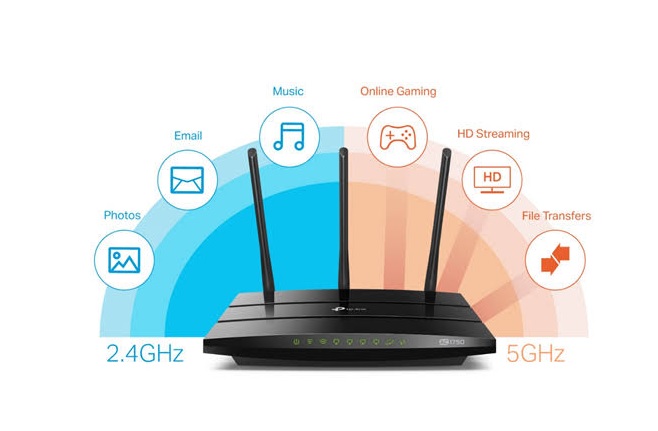
When you use a cellphone or tablet, the device communicates with nearby cell towers, Wi-Fi routers, or satellite tv for pc television for laptop systems to exchange data. This data travels via the internet, permitting customers to browse websites, stream movies, send messages, and access cloud services.
The complete method takes vicinity inside seconds, giving customers actual-time get entry to to information regardless of their location.
Components of Mobile Computing
Mobile computing relies on 3 critical components strolling collectively.
1. Mobile Hardware
Hardware consists of the physical gadgets used for mobile computing.
Examples encompass:
- Smartphones
- Tablets
- Laptops
- Smartwatches
- Wearable health devices
- Portable barcode scanners
Modern hardware gives powerful processors, high-speed storage, cameras, and long-lasting batteries.
2. Mobile Software
Software refers to the operating systems and applications installed on mobile devices.
Popular cellular running structures encompass:
- Android
- iOS
- Windows (legacy mobile environments)
Applications embody:
- Web browsers
- Banking apps
- Social media
- Productivity tool
- Video conferencing apps
- Navigation apps
Software permits customers to carry out numerous responsibilities correctly.
3. Wireless Communication
Wireless communication allows mobile devices to exchange data.
Common verbal exchange era embody:
- 4G
- 5G
- Wi-Fi
- Bluetooth
- NFC (Near Field Communication)
- Satellite communication
These technologies ensure clients continue to be connected wherever network coverage is available.
Types of Mobile Computing
Mobile computing consists of one-of-a-kind forms relying on the device and communication approach.
Personal Mobile Computing
Used by people for every day sports collectively with messaging, entertainment, searching, and online banking.
Business Mobile Computing
Companies use mobile computing for ccommunication far flung paintings, customer management, and business operations.
Industrial Mobile Computing
Factories and warehouses use cell gadgets for stock management, barcode scanning, and logistics.
Healthcare Mobile Computing
Doctors and nurses get access to patient data, schedule appointments, and communicate securely using mobile devices.
Features of Mobile Computing
Mobile computing gives several vital skills
Some of the crucial problem capabilities consist of:
- Portability
- Wireless connectivity
- Real-time conversation
- Cloud get admission to
- Location attention
- Mobility
- Easy facts sharing
- Instant data accesss
These functions make mobile computing very flexible and efficient.
Advantages of Mobile Computing
Mobile computing offers numerous advantages for both people and agencies.
Work from Anywhere
Employees can get proper access to workplace files, attend conferences, and collaborate without being bodily gift.
Better Communication
Instant messaging, electronic mail, and video calls allow human beings to stay linked worldwide.
Increased Productivity
Users can complete duties while traveling, decreasing downtime.
Easy Access to Information
News, documents, cloud storage, and academic assets are available right away.
Online Banking and Shopping
Mobile apps allow customers to switch coins, pay bills, and purchase products securely.
Navigation Services
GPS technology gives real-time instructions and site visitors updates.
Entertainment
Users can circulate music, watch motion pictures, look at books, and play video games from nearly anywhere.
Disadvantages of Mobile Computing
Despite its benefits, mobile computing also has some drawbacks.
Some commonplace risks encompass:
- Limited battery existence
- Dependence on community availability
- Security dangers
- Data privacy issues
- Device theft or loss
- Smaller displays in comparison to PC systems
- High cellular records usage
Understanding those boundaries allows customers to make better choices.
Applications of Mobile Computing
Mobile computing has transformed almost every industry.
Some fundamental programs include:
Education
Students attend on line instructions, get access to digital libraries, and complete assignments from mobile gadgets.
Healthcare
Doctors use tablets and smartphones to get access to patient records fast.
Banking
Customers transfer cash, check balances nd make payments through mobile banking apps.
E-Commerce
Shopping systems permit users to buy merchandise each time.
Transportation
Ride-sharing apps, GPS navigation, and price tag reservation systems depend heavily on mobile computing.
Business
Companies manage tasks, speak with employees, and get access to cloud-based software remotely.
Entertainment
Streaming services, gaming systems, and social media apps all rely upon mobile computing.
Security in Mobile Computing
Because cellular gadgets preserve sensitive information, security is especially vital.
Users must look at the following practices:
- Use strong passwords.
- Enable fingerprint or facial recognition.
- Install software updates regularly.
- Avoid downloading unknown applications.
- Use trusted Wi-Fi networks.
- Enable two-factor authentication.
- Back up important records.
These measures assist in defending personal and business data.
Future of Mobile Computing
Mobile computing keeps to evolve rapidly.
Several emerging technologies are shaping its destiny, collectively with:
- 5G connectivity
- Artificial Intelligence (AI)
- Internet of Things (IoT)
- Edge computing
- Augmented Reality (AR)
- Virtual Reality (VR)
- Wearable generation
- Smart towns
These improvements will make cellular gadgets even faster, smarter, and more capable in the coming years.
Conclusion
Understanding what cell computing is is important in the cutting-edge digital world. It permits people to get access to data, communicate, and whole every day responsibilities using portable gadgets linked through wireless networks.
Whether you are using a smartphone for online banking, attending virtual meetings on a laptop, or navigating with GPS, mobile computing plays a critical role in everyday life. As technology keeps improving with 5G, AI, and IoT, mobile computing becomes even more powerful and maintain reworking how human beingslive andd work.
Frequently Asked Questions
1. What is mobile computing in simple terms
Mobile computing is the use of portable devices like smartphones, tablets, and laptops to get admission to statistics and speak thru wi-fi networks whilst transferring from one area to another.
2. What are the primary components of mobile computing?
The three crucial components are mobile hardware, cell software program software, and wi-fi communique.
3. What are examples of cellular computing? Examples include smartphones and tablets
Examplesinclude smartphonestabletss, mobile banking, GPS navigation, video calls, online shopping, and cloud-based applications.
4. What are the advantages of mobile computing?
It offers portability, easy communication, remote work, quick access to data, and improved productivity.
5. What are the risks of mobile computing?
Common dangers encompass battery issues, security risks, network dependency, information privacy issues, and tool theft.
6. Where is cellular computing used?
It is extensively carried out in training, healthcare, banking, enterprise, transportation, entertainment, retail, and government services.
7. Why is mobile computing essential?
Mobile computing permits people to stay associated, work remotely, get access to data right away, and carry out normal obligations effectively from almost anywhere.